Get a free quote for your business

Gas detectors for carbon monoxide (CO)

Learn all about carbon monoxide (CO) and find the right gas alarm system for carbon monoxide monitoring.
Gas molecule carbon monoxide

Carbon monoxide (CO) and its properties

Commonly known as CO, carbon monoxide is the product of incomplete combustion of carbon-containing fuels such as wood, natural gas or gasoline. Because it has no odor, carbon monoxide is particularly dangerous; you can’t smell it. Exposure to carbon monoxide can cause serious health problems, including headaches, dizziness, unconsciousness and, in the worst case, death. Our gas detection technology enables potential carbon monoxide leaks to be detected early, providing effective protection for employees, residents and others in residential, work and industrial environments.

Gas detector

I2608-CO-E
CO
Carbon monoxide
0 ... 300 / 1000 ppm
SS2163-CO-E-2G
CO
Carbon monoxide
0 ... 500 ppm CO
S4006CO
CO
Carbon monoxide
0 ... 500 ppm CO
I2608-CO-E-DM
CO
Carbon monoxide
0 ... 300 / 1000 ppm
I2608-CO-E-RP33-LCD
CO
Carbon monoxide
0 ... 300 / 1000 ppm
I2608-CO-E-RP33
CO
Carbon monoxide
0 ... 300 / 1000 ppm
I2608-CO-E-RLCD
CO
Carbon monoxide
0 ... 300 / 1000 ppm
I2608-CO-E-LCD
CO
Carbon monoxide
0 ... 300 / 1000 ppm
I2658-CO-E-3G
CO
Carbon monoxide
0 ... 300 / 1000 ppm
I2648-CO-E
CO
Carbon monoxide
0 ... 300 / 1000 ppm
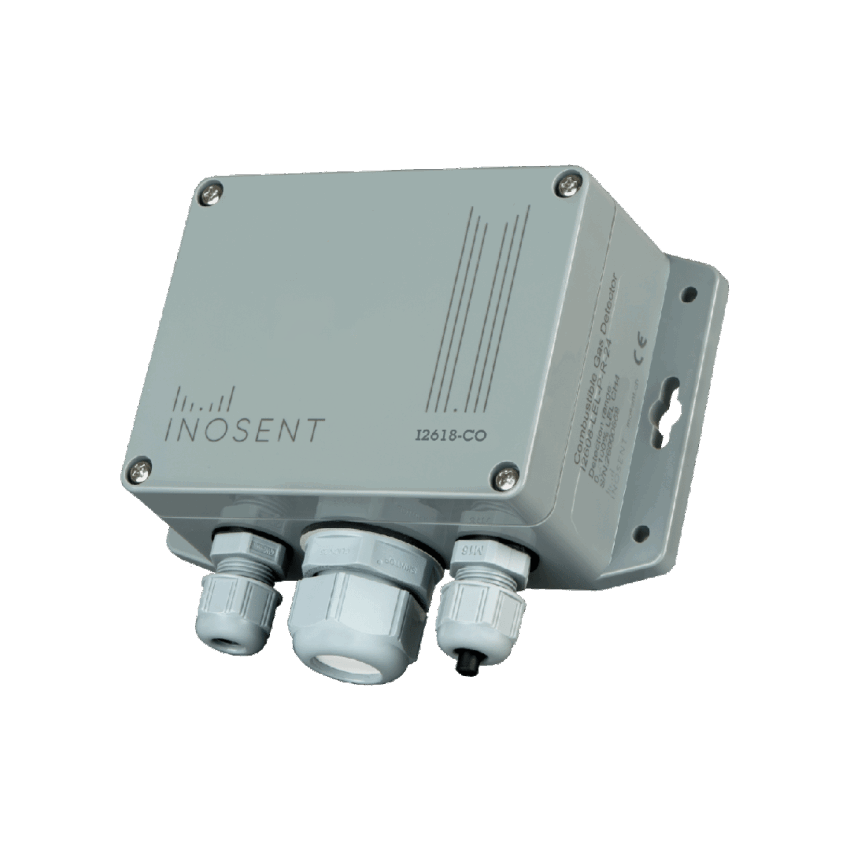
I2618-CO-E
CO
Carbon monoxide
0 ... 300 / 1000 ppm

Set point

Information on Set points for carbon monoxide

Gas molecule carbon monoxide

SUVA set points

  • MAK value: 20 ppm (23 mg/m³)
  • KZG value: 100 ppm (117 mg/m3)
Gas molecule carbon monoxide

EU workplace exposure limits (BOELV)

  • MAK value: 20 ppm (23 mg/m³)
  • KZG value: 100 ppm (117 mg/m3)

Gas characteristics

  • Colorless: Carbon monoxide cannot be seen as it is a colorless gas.
  • Odourless: It is completely odourless and cannot be detected without special detectors.
  • No taste nuance: Carbon monoxide has no taste, which makes detection even more difficult.
  • Density: It is slightly less dense than air, which means that it tends to spread in enclosed spaces.
  • Solubility: It is easily soluble in water, but less so than carbon dioxide (CO₂).
  • Toxicity: Extremely toxic, even at low concentrations. It blocks the transportation of oxygen in the blood because it binds to haemoglobin.
  • Explosion hazard: Carbon monoxide can be explosive in the air if it is present in certain concentrations, especially in high heat.
  • Combustion: Carbon monoxide is a product of incomplete combustion of carbonaceous materials.
  • Risk of suffocation: In closed rooms, a lack of oxygen can quickly lead to suffocation.

Do you require further information?

Questions about the detection of carbon monoxide?

DANGERS

  • Vehicles in enclosed spaces: Engines that run in garages or enclosed spaces can produce dangerous levels of CO.
  • Clogged or blocked flues and chimneys: If flue gases cannot be vented properly, carbon monoxide can linger and build up in enclosed spaces.
  • Faulty or poorly maintained heating appliances: Boilers, gas cookers, gas ovens and water heaters that are not properly maintained can release CO.
  • Cigarette smoke: Smoking indoors can also release small amounts of CO, which can be particularly dangerous for people with heart or lung conditions.
  • Watercraft and boats: In cabins or covered areas, combustion engines on boats can release CO.
  • Industrial plants: Certain industrial processes, especially those that rely on the combustion of fossil fuels, can emit carbon monoxide.

HIGH-RISK SCENARIOS

  • Motorised vehicles in enclosed garages: A vehicle engine running in an enclosed or inadequately ventilated garage can quickly cause CO levels to rise to dangerous levels.
  • Defective or blocked flues and chimneys: In households with gas or wood-burning heating systems, flues and chimneys that are not working properly or are blocked can cause CO to flow back into the living space instead of being safely vented outside.
  • Boating in enclosed areas: Operating combustion engines on boats in enclosed areas or cabins, especially in still air or without ventilation, can lead to CO poisoning.
  • Living spaces above garages: Flats or rooms located directly above garages where vehicles are regularly operated may have high CO concentrations if they are inadequately sealed or ventilated.

Health risks and handling of carbon monoxide

Concentration

KonzentrationSymptome/folgen
%gas-rep-concentration% %gas-rep-consequences%

Concentration table only visible in landscape format.

Carbon monoxide (CO) poisoning can be life-threatening and requires immediate first aid measures. The following are the first aid steps for CO poisoning:

1. Evacuation without delay

  • Take the affected person outside immediately.
  • Improve Ventilation by opening doors and windows, but don’t risk anything.

2. Raise the alarm

  • Dial the emergency number (112) and report your suspicion of CO poisoning.
  • Provide as many details as possible, such as whether the incident was caused by Gas heating or car exhaust.

3. Check breathing and whether the person is conscious.

  • Determine whether the person is conscious and breathing normally.
  • If the person is not breathing, start resuscitation (cardiopulmonary resuscitation) if you have been trained to do so.

4. oxygen administration

  • If it is available, give 100% oxygen via a face mask. It can speed up recovery by displacing CO from the blood.

5. Stable recovery position

  • If the person is conscious but dazed, place them in the recovery position to prevent them from choking on their vomit.

6. Pay attention to the person

  • Continuously monitor breathing and consciousness until the emergency services arrive.

7. Supplementary actions

  • Communicate with the arriving emergency services and provide them with important information, such as the duration of exposure and the situation on site.

Important note:

  • Never enter an area that you suspect contains CO without adequate respiratory protection or safety precautions.
    Without prompt treatment, CO poisoning can have serious consequences, so it is important to act quickly.

To minimize danger to people in the vicinity, quick and coordinated action is crucial in the event of an accidental release of carbon monoxide (CO). The following steps are recommended:

1. Clearing the danger zone

  • Leave the area immediately, especially if you are operating CO devices in the vicinity (e.g. Gas heating, motors).
  • Alert others in the vicinity and help everyone to leave the area quickly and safely.

2. Optimise ventilation

  • Open doors and windows fully to remove the CO from the area and replace it with fresh air.
  • If available, activate ventilation systems to speed up ventilation.

3. Deactivate CO source

  • If it is safe to do so, deactivate the CO source (e.g. Gas heating, oven, engine).
  • Be careful and avoid exposing yourself to danger.

4. Trigger the alarm

  • Contact the emergency services (112) immediately to get professional help, especially if people are affected or if the CO cannot be removed quickly.
  • Provide clear information about the situation and the source of the CO.

5. Rescue of persons (only if it is safe to do so)

  • Only attempt to rescue people from the danger zone if it is safe to do so and you will not put yourself in danger.
  • Keep in mind that CO in large quantities can quickly lead to unconsciousness.

6. Administer first aid

  • If people show symptoms of CO poisoning (e.g. headache, dizziness, nausea), observe the following
  • The first aid measures for CO poisoning that you described earlier:
    • Escort the person outside.
    • Give oxygen, if available.
    • Observe breathing and level of consciousness.

7. Warning and cordoning off

  • Cordon off the danger area to prevent others from accidentally entering it until the danger has been eliminated.Important note:

    You should not enter the area without adequate respiratory protection, especially if the CO concentration is high or you are not aware of it.
    A serious accident can happen due to the release of carbon monoxide; therefore, it is crucial to always act with caution and foresight.

Carbon monoxide is an invisible, odorless gas that can quickly become deadly as it goes unnoticed in the air and blocks oxygen uptake in the body.

Carbon monoxide

Special applications

  • Food preservation: Carbon monoxide is used in small quantities to preserve meat products. It helps to preserve the red color of meat by reacting with myoglobin, which makes the product more attractive to consumers.
  • Metallurgy: Carbon monoxide is often used in metallurgy, especially in the reduction of metal oxides to metals. One example is the reduction of iron oxide (FeO) to iron (Fe) in blast furnaces for the production of steel.
  • Synthesis gas: Carbon monoxide is an important component of synthesis gas (syngas), which consists of a mixture of carbon monoxide and hydrogen. Synthesis gas is used as an intermediate product in the production of various chemicals, such as methanol or synthetic fuels.
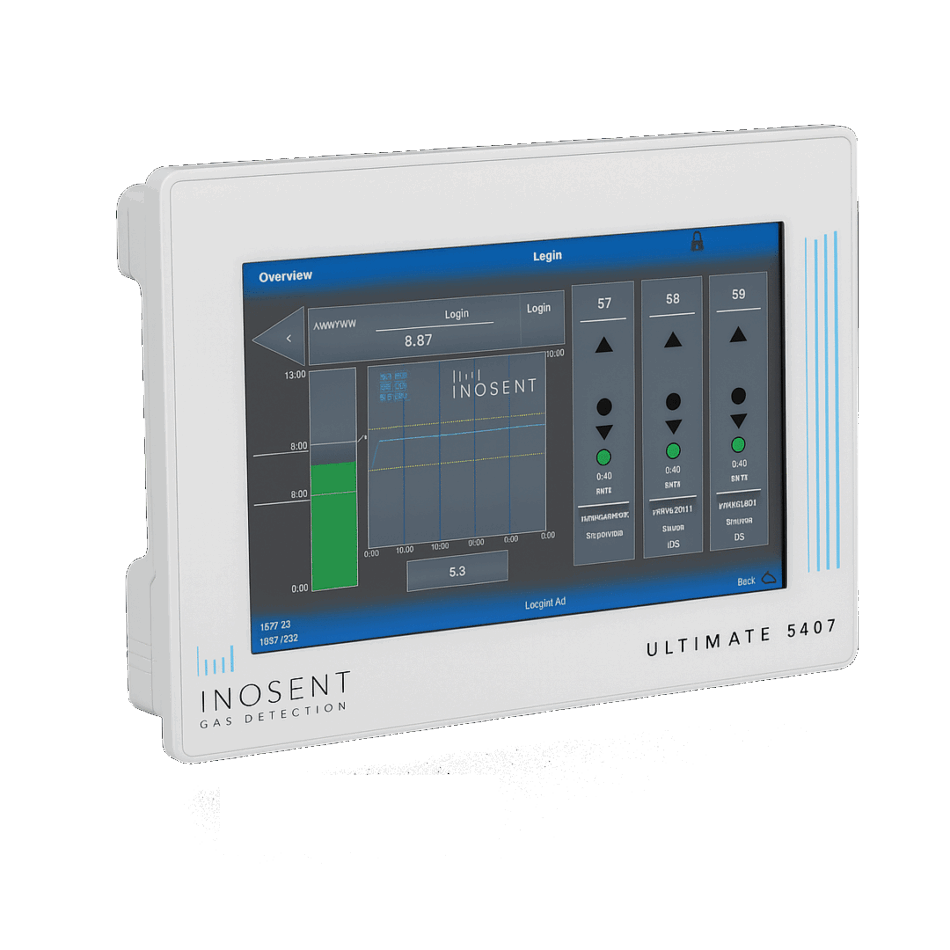
Gaswarnzentrale Ultimate 5407
Discover the Gas monitors from INOSENT Gaswarntechnik AG.
Gaswarnzentrale Ultimate 5407
Discover all the information about the Ultimate 5407 Gas monitor and the associated data sheet.
Gaswarnzentrale Compact Pro
Discover all the information about the Compact Pro Gas monitors and the associated data sheet.
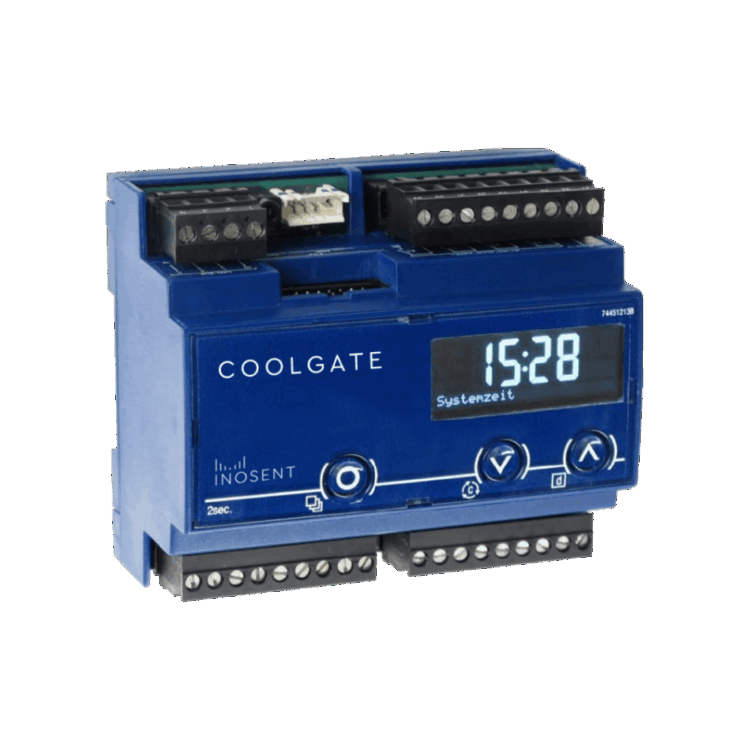
Discover all the information about the Cool Gate Gas monitors and the associated data sheet.
Gasmessfühler I2608
Discover the wide range of Gas detectors from INOSENT Gaswarntechnik AG.
Gasmessfühler zur Detektion von Gasen
With the I26xx series, INOSENT offers specialized solutions for application areas. Here you will find an overview of all GxxC series Gas detectors.
Interface adapter for Gas monitors

Adapter Released

Ultricies mi eget mauris pharetra et. Sagittis eu volutpat odio facilisis mauris sit amet massa.

Calibration station for mobile gas detectors

G7 Dock Bump Test Station

BLACKLINE SAFETY G7c personal safety monitor with optional

Gas monitors Ultimate

Ultimate-5307

Etiam sit amet nisl purus in mollis nunc. Nulla aliquet enim tortor at. Tincidunt vitae semper quis lectus

Mobile gas detector

Blackline G7c

Duis aute irure dolor in reprehenderit in voluptate velit esse cillum dolore eu fugiat nulla pariatur. Excepteur sint

Mobile gas detector

GX-6000

Libero nunc consequat interdum varius sit amet. Mauris pharetra et ultrices neque ornare aenean euism

Mobile gas detector

RP-3R-1

Ut lectus arcu bibendum at varius vel pharetra vel. Pharetra massa massa ultricies mi quis.