Get a free quote for your business

Gas detectors for acetylene (C2H2)

Learn all about acetylene (C2H2) and find the right gas detection system for acetylene monitoring.
Gas molecule acetylene

Acetylene (C2H2) and its properties

As a colorless, flammable gas, acetylene (C₂H₂) is an important component of many industrial applications. Due to its very high flame temperature, it is often used for cutting and welding. It is also an essential raw material for the production of plastics, dyes and other chemical compounds. Care must be taken when handling acetylene because it produces explosive mixtures with air in certain concentrations.

Gas detector

I2608-C2H2-p
C2H2
Acetylene
0 ... 100 % LEL
S2157AC
C2H2
Acetylene
0 ... 100 % LEL
S4003AC
C2H2
Acetylene
0 ... 100 % LEL
I2608-C2H2-P-DM
C2H2
Acetylene
0 ... 100 % LEL
I2608-C2H2-P-RP33-LCD
C2H2
Acetylene
0 ... 100 % LEL
I2608-C2H2-P-RP33
C2H2
Acetylene
0 ... 100 % LEL
I2608-C2H2-P-RLCD
C2H2
Acetylene
0 ... 100 % LEL
I2608-C2H2-P-LCD
C2H2
Acetylene
0 ... 100 % LEL
I2658-C2H2-P-3G
C2H2
Acetylene
0 ... 100 % LEL
I2648-C2H2-P
C2H2
Acetylene
0 ... 100 % LEL
I2618-C2H2-P
C2H2
Acetylene
0 ... 100 % LEL

Set point

Gas molecule acetylene

Set point

Lower explosion limit (LEL) 2.3 vol. – %

  • Pre-alarm 20% LEL (0.23 vol. – %)
  • Main alarm 40% LEL (0.46 vol. – %)
Gas molecule acetylene

EU workplace exposure limits (BOELV)

  • Relative gas density 0.899
  • ceiling installation

Gas characteristics

  • Color: Acetylene cannot be seen; it is an invisible gas.
  • Geruch: Unbemerkt; lediglich in grossen Mengen kann es einen Hauch von Süsse verströmen.
  • Flammable: Acetylene is very flammable and burns with an extremely high flame temperature of up to 3,200°C.
  • Density: The gas is lighter than air; it rises upwards as soon as it escapes.
  • Solubility: To make acetylene easier to handle, it is often dissolved in acetone.
  • Reactivity: Acetylene reacts with numerous substances, making it a useful but also dangerous substance.
  • Explosion hazard: May form explosive mixtures with air, especially at elevated pressure.
  • Application: Primarily for welding, cutting and in the chemical industry.

Do you require further information?

Questions about the detection of acetylene?

DANGERS

  • Explosion hazard: Acetylene combines with air to form explosive mixtures, especially if the pressure is above 1 bar.
  • High calorific value: The combustion of acetylene generates extremely high temperatures (up to 3,200°C), which results in a fire hazard.
  • Reactivity: Acetylene reacts quickly with many substances, especially oxidizing agents, which can lead to dangerous reactions.
  • Pressure hazard: When enclosed in cylinders and in a gaseous state, high pressure can cause an explosion if not handled or stored correctly.
  • Acetylene gas dissolved in acetone: If it is not stored properly or if it is damaged, dissolved gases can escape and cause an explosion.
  • Toxicity at high concentrations: Acetylene can asphyxiate in high concentrations by displacing oxygen.
  • Danger of cold: A rapid escape of gas from acetylene cylinders can greatly reduce their temperature and cause frostbite.

HIGH-RISK SCENARIOS

  • Fire hazard due to high flame temperature: The combustion of acetylene, whose flame temperature reaches up to 3,200°C, can cause serious fires. Especially during welding and cutting processes, there is a risk of sparks jumping onto flammable materials.
  • Reactive explosion on contact with oxidizing agents: Acetylene reacts extremely violently with oxidizing substances such as chlorine or bromine. Contact can trigger an exothermic reaction that leads to an explosion.
  • Risk of asphyxiation due to oxygen displacement: In rooms with inadequate ventilation, acetylene can displace oxygen, which is particularly dangerous in higher concentrations.
  • Risk from liquid gas or gas leaks: Acetylene can escape quickly in the event of a leak and accumulate in poorly ventilated rooms. An ignition source could trigger an explosion.
  • Cooling and frostbite hazard: If the gas escapes quickly, acetylene cylinders can cool down considerably and cause frostbite on contact with the skin.

Health risks and handling of acetylene

Concentration

KonzentrationSymptome/folgen
%gas-rep-concentration% %gas-rep-consequences%

Concentration table only visible in landscape format.

1. Let air in:

  • Immediately remove the affected person from the danger zone to a well-ventilated area, ideally in the fresh air.

2. Control your breathing:

  • Check whether the person is still breathing. If not, start cardiopulmonary resuscitation immediately.

3. Artificial respiration:

  • If the person can breathe but not independently, artificial respiration is required.

4. Call a doctor:

  • Regardless of how severe the poisoning is, call the emergency services immediately or take the person to hospital.

5. Keep calm:

  • To avoid additional strain from stress or physical activity, the affected person should remain calm.

6. Warmth and protection:

  • If the person shows signs of shock (such as pale skin or cold sweat), it is important to keep them warm and calm.

1. Secure the danger zone and carry out evacuation

  • Evacuate the affected area immediately and ensure that there are no sources of ignition nearby.

2. Ensure air supply

  • Ventilate the area well to dilute the gas. Opening windows or switching on ventilation systems is ideal, but no mechanical devices that could generate sparks.

3. Stop the gas supply

  • If it is safe to do so, shut off the gas supply by closing the valve or isolating the system.

4. Avoid sparking

  • Switch off all electrical devices that could generate sparks immediately. Smoking and open flames are strictly prohibited.

5. Preventing the risk of explosion

  • Acetylene is explosive at a concentration of 2.5 to 100 % by volume in air; it is therefore important to avoid the area until the gas concentration has been reduced to a safe level.

6. Raise the alarm and request assistance

  • If there is an acute risk of explosion or if a significant amount of acetylene has escaped, alert the fire department or emergency services.
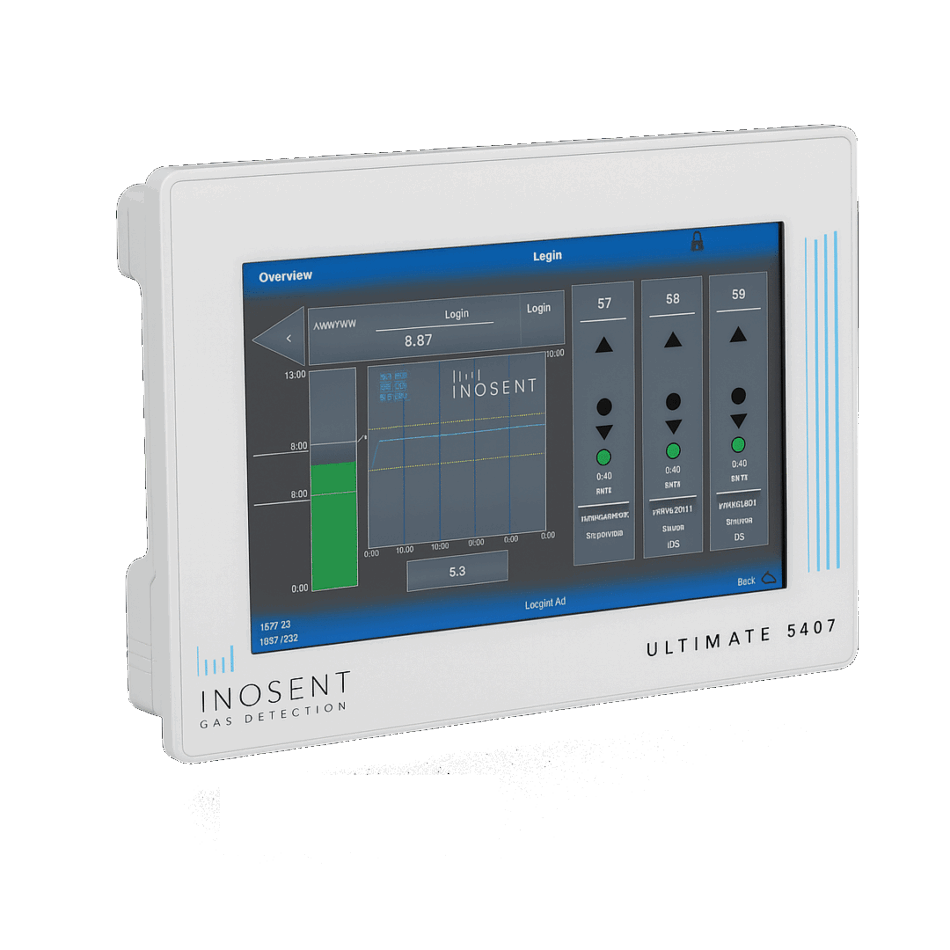
Gaswarnzentrale Ultimate 5407
Discover the Gas monitors from INOSENT Gaswarntechnik AG.
Gaswarnzentrale Ultimate 5407
Discover all the information about the Ultimate 5407 Gas monitor and the associated data sheet.
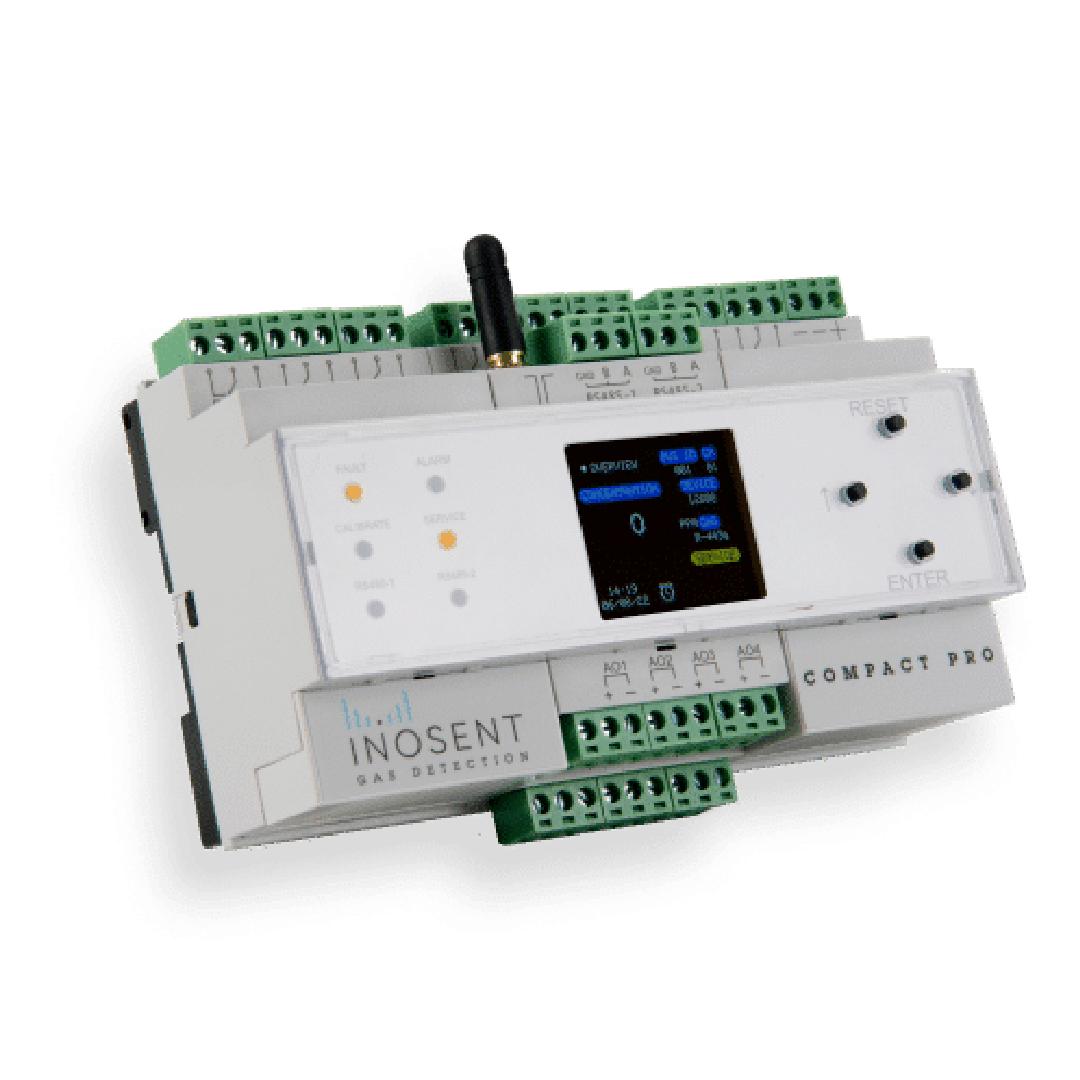
Gaswarnzentrale Compact Pro
Discover all the information about the Compact Pro Gas monitors and the associated data sheet.
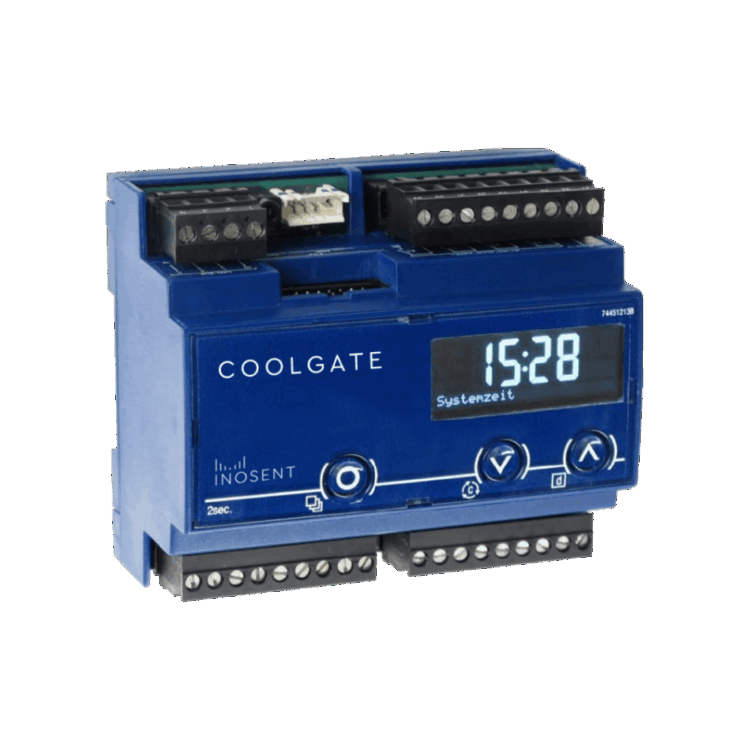
Discover all the information about the Cool Gate Gas monitors and the associated data sheet.
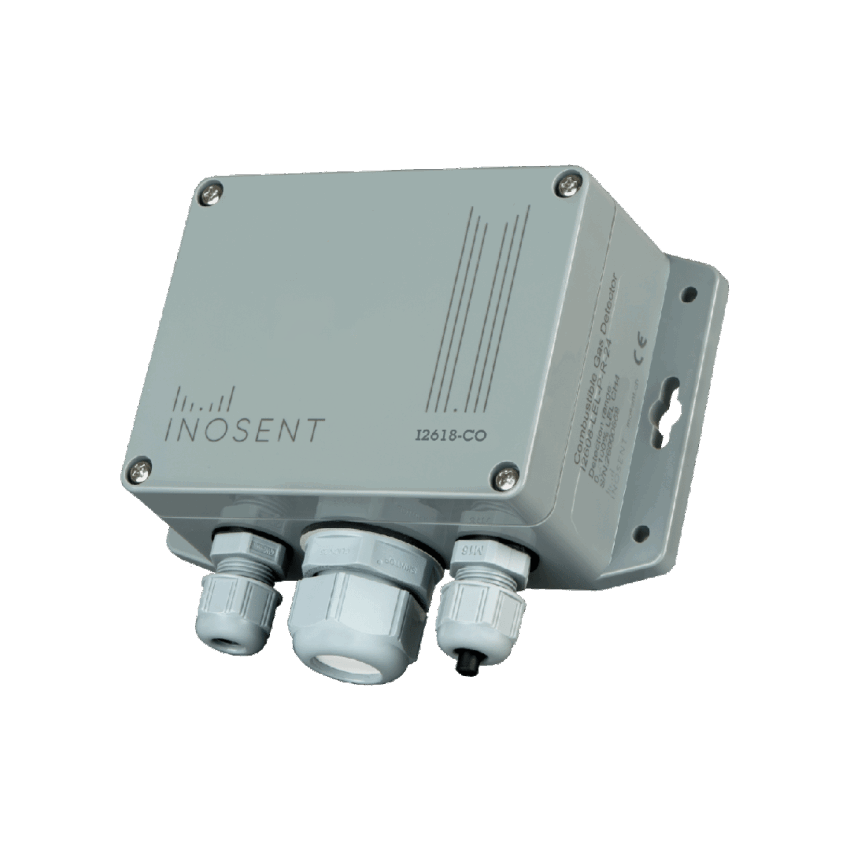
Gasmessfühler I2608
Discover the wide range of Gas detectors from INOSENT Gaswarntechnik AG.
Gasmessfühler zur Detektion von Gasen
With the I26xx series, INOSENT offers specialized solutions for application areas. Here you will find an overview of all GxxC series Gas detectors.
Interface adapter for Gas monitors

Adapter Released

Ultricies mi eget mauris pharetra et. Sagittis eu volutpat odio facilisis mauris sit amet massa.

Calibration station for mobile gas detectors

G7 Dock Bump Test Station

BLACKLINE SAFETY G7c personal safety monitor with optional

Gas monitors Ultimate

Ultimate-5307

Etiam sit amet nisl purus in mollis nunc. Nulla aliquet enim tortor at. Tincidunt vitae semper quis lectus

Mobile gas detector

Blackline G7c

Duis aute irure dolor in reprehenderit in voluptate velit esse cillum dolore eu fugiat nulla pariatur. Excepteur sint

Mobile gas detector

GX-6000

Libero nunc consequat interdum varius sit amet. Mauris pharetra et ultrices neque ornare aenean euism

Mobile gas detector

RP-3R-1

Ut lectus arcu bibendum at varius vel pharetra vel. Pharetra massa massa ultricies mi quis.