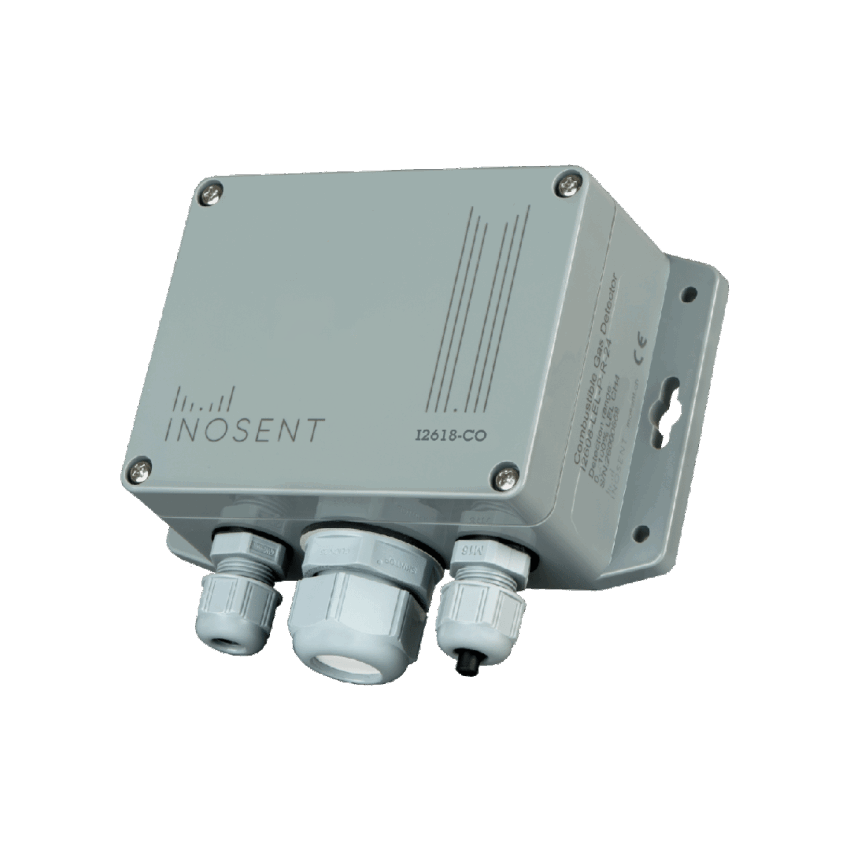
Methane (CH₄) is a colorless and odorless gas and the main component of natural gas. It is a powerful greenhouse gas that drives climate change because it stores more heat in the atmosphere than CO₂. Methane is produced by natural processes, for example in swamps, as well as by human activities such as agriculture and natural gas extraction. Reducing methane emissions is crucial for climate protection.
Colorless: Methane is a colorless gas that is invisible to the naked eye.
Odourless: It has no smell, so it cannot be detected without special detectors.
Tasteless: Methane is tasteless, which makes it even more difficult to detect.
Density: methane is lighter than air
Toxicity: Methane is not toxic, but in high concentrations in poorly ventilated rooms it can lead to oxygen deficiency and suffocation.
Explosion hazard: 5-15 % methane in air. This means that it can react explosively with air in this concentration range.
Use: It is mainly used as a fuel, in the chemical industry (for the production of ammonia, methanol, etc.) and as a starting material for various organic compounds.
Flammability and explosion: Ignition sources such as sparks, open flames or hot surfaces can cause explosions.
Asphyxiation: As an inert gas, methane displaces the oxygen in the air, which can lead to asphyxiation in poorly ventilated rooms.
Air pollution: As a greenhouse gas, methane is a factor in global warming and has a much higher heat absorption capacity than CO2, although it lingers in the atmosphere for a shorter time.
Gas pipes or tanks with leaks: If gas pipes, tanks or industrial equipment are leaking, methane can accumulate, increasing the risk of ignition or explosion.
Non-detection: Due to the lack of odor of methane, a leak is often not noticed without further safety measures (such as gas detectors) until it is too late.
HIGH-RISK SCENARIOS
Gas explosion in a landfill: In a landfill, the decomposition process of organic waste produces methane, which accumulates in unhealthy, dilapidated and poorly ventilated areas. A spark or an abrupt rise in temperature (such as from welding work or vehicles) can cause an explosion.
Asphyxiation by methane in an enclosed space: In an enclosed space, such as a basement, tank or tunnel, methane can escape if it enters through a leak in a pipe or boiler system. Methane is odorless and invisible, which is why it is not detected in time.
Leak in a private natural gas network: methane escapes through a damaged gas pipe in a residential building or residential complex. The gas spreads throughout the rooms and, without ventilation, a dangerous amount of methane can accumulate.
Methane emissions from agricultural operations: In agriculture, especially in livestock farming, methane is released as a by-product of animal (e.g. cattle) digestion. Methane can accumulate in barns or silos if ventilation is inadequate or emissions are not controlled.
Health risks and handling of methane
Concentration
Konzentration
Symptome/folgen
%gas-rep-concentration%
%gas-rep-consequences%
%gas-rep-concentration%
%gas-rep-consequences%
%gas-rep-concentration%
%gas-rep-consequences%
Concentration table only visible in landscape format.
First aid
Methane (CH4) poisoning is potentially life-threatening and requires immediate first aid. The following are the steps for first aid in the event of CH4 poisoning:
1. Ensure safety:
Avoid the danger zone, ensure ventilation and avoid open flames.
2. Take the person out into the fresh air:
In case of symptoms such as shortness of breath or loss of consciousness, immediately move to a safe area.
3. Make an emergency call:
In case of heavy exposure, call the emergency services immediately.
4. Artificial respiration:
If the person is unconscious and not breathing, you should perform artificial respiration.
5. Medical assistance:
Betroffene zur Untersuchung ins Krankenhaus bringen.
In case of unintentional release
1. Leave the danger zone immediately:
Evacuate people from the affected area to avoid the risk of suffocation or explosions.
2. Ensure ventilation and air circulation:
As far as possible, ensure good ventilation to minimize the methane concentration.
3. Prevention of fires and sparks:
All ignition sources (such as fire, sparks or electrical devices) should be avoided at all costs to prevent an explosion.
4. Find and repair the source of the leak:
If possible, stop the source of the release without creating sparks or open flames.
5. Make an emergency call:
Contact professional help from the fire brigade or gas emergency service.
6. No self-repair:
If you have no training in this area, do not attempt to repair the leak yourself. Wait for the experts.