Get a free quote for your business

Gas detectors for ammonia

Learn all about ammonia and find the right products for an ammonia gas warning system.
Gas molecule ammonia

Ammonia and its properties

Ammonia (NH₃) is a colorless substance with a penetrating odor that is often used in agriculture, refrigeration and the chemical industry. Irritation of the eyes and respiratory tract can occur even at low concentrations; high exposure can result in breathing difficulties, chemical burns and, in the worst case, death. Our gas warning technology detects ammonia leaks at an early stage, effectively protecting employees and residents in working and industrial environments.

Gas detector

I2608-NH3-E
NH3
Ammonia
0 ... 100 / 3000 ppm
S3227AM
NH3
Ammonia
0 ... 100 ppm
S4022AM
NH3
Ammonia
0 ... 100 ppm
I2608-NH3-E-DM
NH3
Ammonia
0 ... 100/300/1'000 ppm
I2608-NH3-E-RP33-LCD
NH3
Ammonia
0 ... 100/300/1'000 ppm
I2608-NH3-E-RP33
NH3
Ammonia
0 ... 100/300/1'000 ppm
I2608-NH3-E-RLCD
NH3
Ammonia
0 ... 100/300/1'000 ppm
I2608-NH3-E-LCD
NH3
Ammonia
0 ... 100/300/1'000 ppm
I2658-NH3-E-3G
NH3
Ammonia
0 ... 100/300/1'000 ppm
I2648-NH3-E
NH3
Ammonia
0 ... 100/300/1'000 ppm
I2618-NH3-E
NH3
Ammonia
0 ... 100/300/1'000 ppm

Alarm levels & Set points

Important information on ammonia

Gas molecule ammonia

Standard alert levels

  • Alarm level 1: 10 ppm
  • Alarm level 2: 25 ppm
  • Alarm level 3: 50 ppm or more
Gas molecule ammonia

Set point

  • MAK value: 25 ppm
  • KZG value: 35 ppm

Gas characteristics

  • Colour: Transparent
  • Odour: Pungent, easily noticeable at low concentrations
  • Physical state: Gaseous at room temperature, liquefies at -33.34 °C
  • Solubility: Highly soluble in water and forms a basic solution (ammonium hydroxide)
  • Flammability: Flammable when the concentration in the air is between 15 and 28% (15-28% in air)
  • Density: Although it is lighter than air, it can linger near the ground.
  • Reactivity: Forms ammonium salts when combined with strong acids and exhibits basic properties.
  • Toxicity: Irritating to eyes, skin and respiratory tract; toxic at high concentrations
  • Use: Often in agriculture (fertilizers), refrigeration technology (refrigerants) and the chemical industry
  • Environmental hazard: aquatic organisms are endangered, it contributes to air pollution and eutrophication

Do you require further information?

Questions about the detection of ammonia?

Sources of danger

  • Toxic exposure: Inhalation or contact with ammonia may irritate the respiratory tract, cause coughing and shortness of breath; in high concentrations even severe burns are possible.
  • Fire and explosion hazard: Although ammonia is flammable, it can form explosive mixtures with air in certain concentrations.
  • Eye and skin irritation: Contact with ammonia may cause severe eye and skin irritation and burns.
  • Cold burns: Because it is extremely cold, liquid ammonia can cause severe frostbite on contact with the skin.
  • Leaks: Ammonia gas can escape through leaking pipes or containers, which is particularly dangerous in enclosed spaces.
  • Environmental hazard: Ammonia damages the air and water, causing health and environmental problems.

high-risk scenarios

  • Leaks: Ammonia gas can escape through leaking pipes or containers, leading to dangerous concentrations and potential health risks.
  • Explosion and fire: In certain concentrations, ammonia can form explosive mixtures with air, which can lead to explosions or fires if ignited.
  • Risk of suffocation: In closed rooms, ammonia can replace oxygen, which can cause suffocation.
  • Accidents during storage: Incorrect storage of ammonia, especially in high concentrations or under high pressure, can cause dangerous situations such as leaks or even explosions.
  • Inadequate ventilation: Poor ventilation can cause ammonia gas to build up to dangerous levels, increasing the risk of poisoning.
  • Cold burns: Direct contact with liquid ammonia can cause severe frostbite.
  • Errors during maintenance and repairs: Inadequate maintenance or incorrect repairs to ammonia systems can cause unexpected leaks or accidents.

Health risks and handling of ammonia

Concentration

KonzentrationSymptome/folgen
%gas-rep-concentration% %gas-rep-consequences%

Concentration table only visible in landscape format.

Ammonia (NH₃) poisoning can be life-threatening; it requires immediate first aid measures. How to administer first aid in the event of ammonia poisoning:


1. Evacuation without delay

  • Move to fresh air immediately! As an irritant gas, ammonia can cause severe damage to the respiratory tract and eyes. Be careful and do not put yourself in danger.

2. Make an emergency call

  • Dial the emergency services (112) and report suspected exposure to ammonia. Please provide full details, including the source of exposure and the severity of the incident.

3. Check breathing and level of consciousness

  • Check whether the person is conscious and breathing normally. If this is not the case, start resuscitation (cardiopulmonary resuscitation) immediately, provided you have been trained to do so.

4. fresh air and a good oxygen content

  • If the person is having difficulty breathing, move them to a well-ventilated area and make sure they are getting enough oxygen. If possible, use a face mask to provide oxygen.

5. Eye contact

  • In case of contact with ammonia, rinse eyes immediately with plenty of water for at least 15 minutes while keeping them wide open. Avoid rubbing the eyes.

6. The recovery position

  • If the person is conscious but dazed, place them in the recovery position to ensure that their airways are clear and they do not choke on their vomit.

7. Respect the person

  • Keep a constant eye on breathing and consciousness until the emergency services arrive. Watch for signs of respiratory distress or shock.

8. Further measures

  • Provide all arriving emergency responders with all important information regarding exposure, including the duration of exposure and the circumstances of the incident.

Important note:

Avoid direct contact with ammonia, especially if large quantities or high concentrations are involved. If you suspect exposure to ammonia, always wear suitable respiratory protection and protective clothing. Quick action and the right help can prevent serious damage to health.

In the event of an accidental ammonia release, quick and coordinated action is crucial to protect people in the vicinity. Follow these steps:


1. Clearing the danger zone

  • Leave the area immediately, especially if you are in the vicinity of ammonia sources such as refrigeration systems or chemical processes.
  • Alert others nearby and help everyone to leave the area quickly and safely.

2. Optimise ventilation

  • Open doors and windows wide to remove the ammonia from the area and replace it with fresh air.
  • If available, activate ventilation systems to improve ventilation.

3. deactivate the source of ammonia emissions

  • If it is safe to do so, deactivate the ammonia source (e.g. chillers, valves).
    Be careful and avoid putting yourself in unnecessary danger.

4. Trigger the alarm

  • Immediately call the emergency services (112) for professional assistance, especially if people are affected or the ammonia cannot be removed quickly.
    Provide clear information about the situation and the source of the ammonia.

5. Rescue of persons (only if it is safe to do so)

  • Only attempt to help people out of the danger zone if it is safe to do so and you are not putting yourself in danger.
    Keep in mind that high concentrations of ammonia can cause shortness of breath, irritation and even unconsciousness.

6. Administer first aid

  • If people show symptoms of ammonia poisoning (such as coughing, respiratory irritation or nausea), follow the first aid measures for ammonia exposure:
    • Escort the person outside.
    • Add oxygen if necessary.
    • Observe breathing and level of consciousness.

7. Warning and securing by cordoning off the area

  • 7. Warning and cordoning off: Cordon off the danger area to prevent others from accidentally entering it until the danger has been removed.

Important note:

  • You should not enter the affected area without adequate respiratory protection, especially if the ammonia concentration is high or you are not familiar with it.
  • An ammonia leak can cause serious accidents; it is therefore essential to always act with caution and foresight.
Ammonia is a colorless gas with a pungent odor that irritates the respiratory tract at high concentrations and can endanger oxygen uptake.

Ammonia

Special applications

  • Fertilizer production: Ammonia is a main component of nitrogen fertilizers (e.g. urea, ammonium nitrate).
  • Refrigeration: Ammonia is used as a refrigerant in industrial cooling systems, especially in large systems.
  • Chemical Industry: Ammonia is used as a starting material for the production of various chemicals, such as nitric acid and plastics.
  • Cleaning agents: Ammonia is used in some household and Industry cleaning agents due to its grease-dissolving properties.
  • Water treatment: Ammonia is used in water treatment to control the growth of microorganisms.
  • Pharmaceutical Industry: Ammonia is used in some processes in the manufacture of medicines and pharmaceutical products.
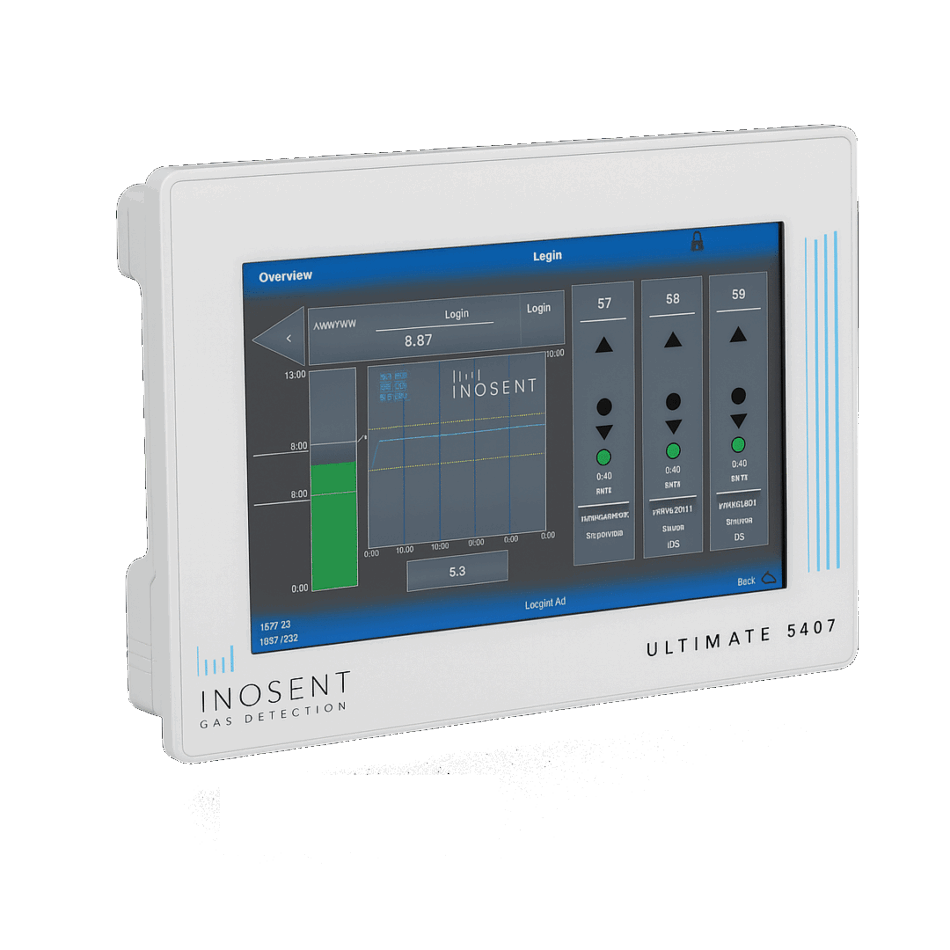
Gaswarnzentrale Ultimate 5407
Discover the Gas monitors from INOSENT Gaswarntechnik AG.
Gaswarnzentrale Ultimate 5407
Discover all the information about the Ultimate 5407 Gas monitor and the associated data sheet.
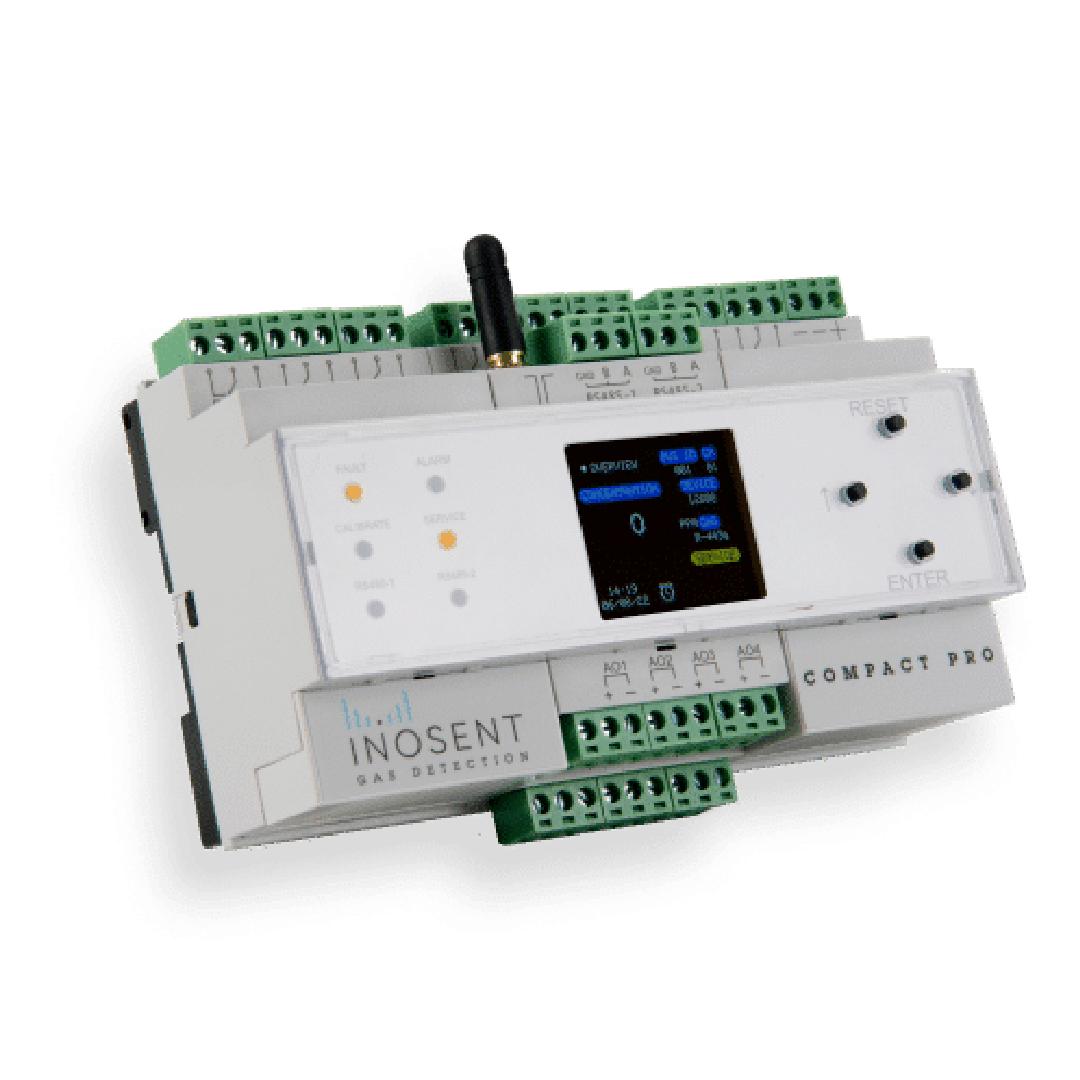
Gaswarnzentrale Compact Pro
Discover all the information about the Compact Pro Gas monitors and the associated data sheet.
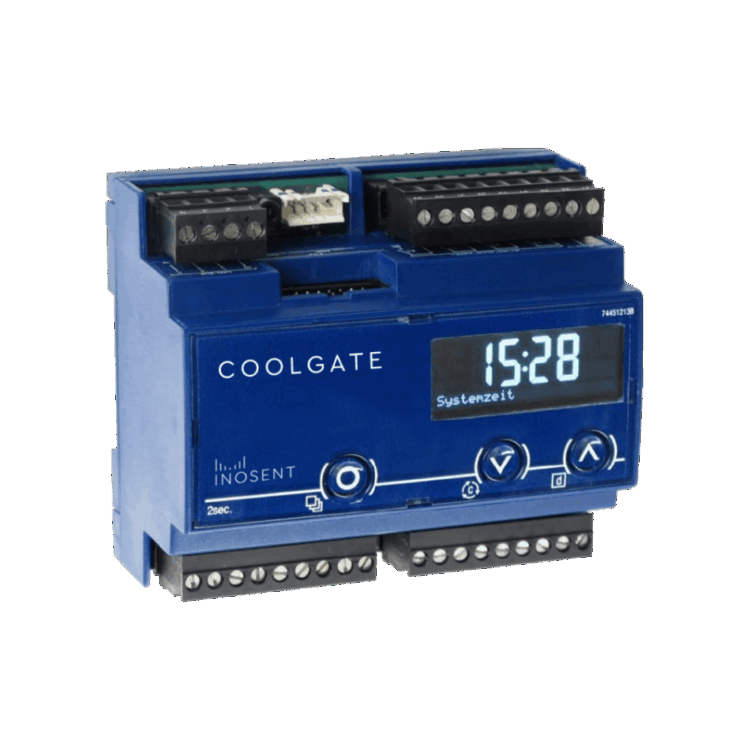
Discover all the information about the Cool Gate Gas monitors and the associated data sheet.
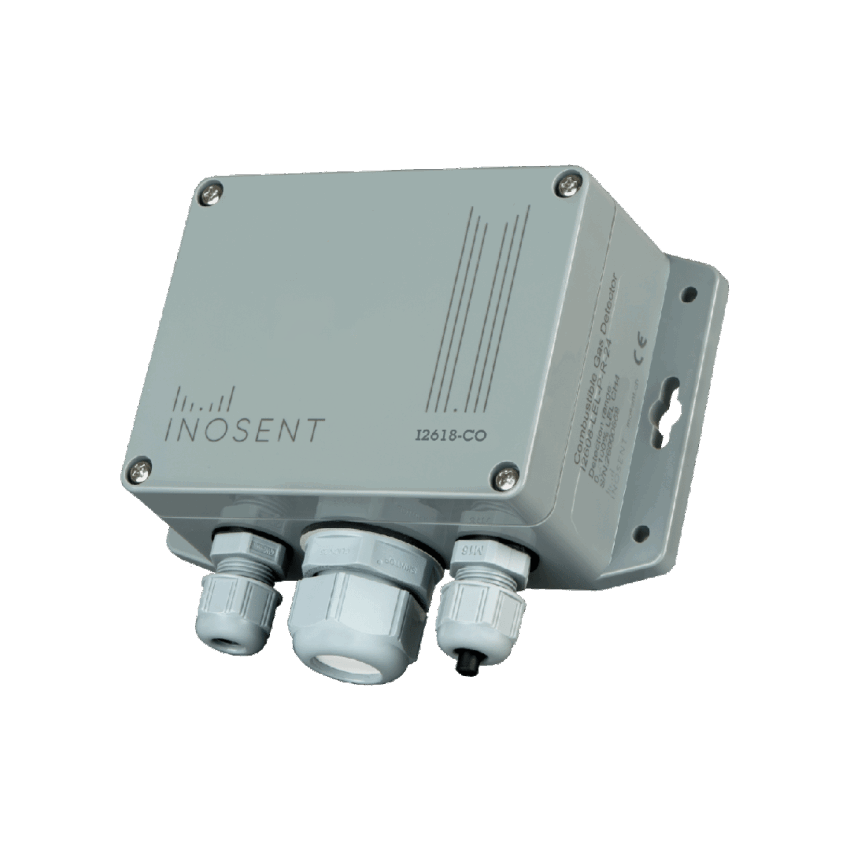
Gasmessfühler I2608
Discover the wide range of Gas detectors from INOSENT Gaswarntechnik AG.
Gasmessfühler zur Detektion von Gasen
With the I26xx series, INOSENT offers specialized solutions for application areas. Here you will find an overview of all GxxC series Gas detectors.
Interface adapter for Gas monitors

Adapter Released

Ultricies mi eget mauris pharetra et. Sagittis eu volutpat odio facilisis mauris sit amet massa.

Calibration station for mobile gas detectors

G7 Dock Bump Test Station

BLACKLINE SAFETY G7c personal safety monitor with optional

Gas monitors Ultimate

Ultimate-5307

Etiam sit amet nisl purus in mollis nunc. Nulla aliquet enim tortor at. Tincidunt vitae semper quis lectus

Mobile gas detector

Blackline G7c

Duis aute irure dolor in reprehenderit in voluptate velit esse cillum dolore eu fugiat nulla pariatur. Excepteur sint

Mobile gas detector

GX-6000

Libero nunc consequat interdum varius sit amet. Mauris pharetra et ultrices neque ornare aenean euism

Mobile gas detector

RP-3R-1

Ut lectus arcu bibendum at varius vel pharetra vel. Pharetra massa massa ultricies mi quis.