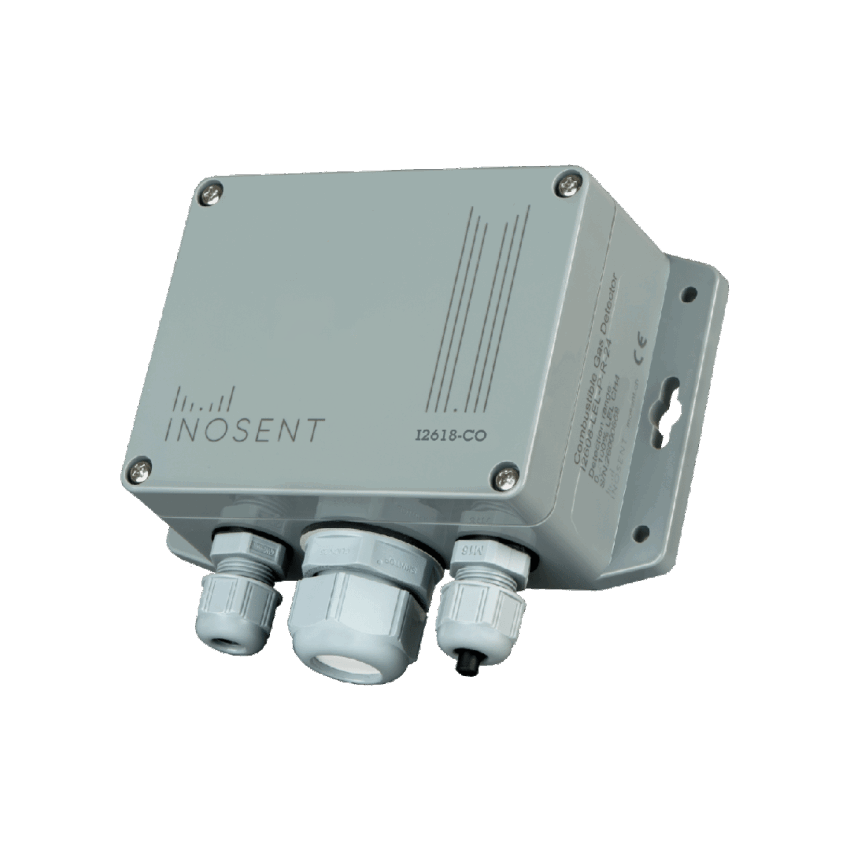
Carbon monoxide (CO) & nitrogen dioxide (NO2) and their properties
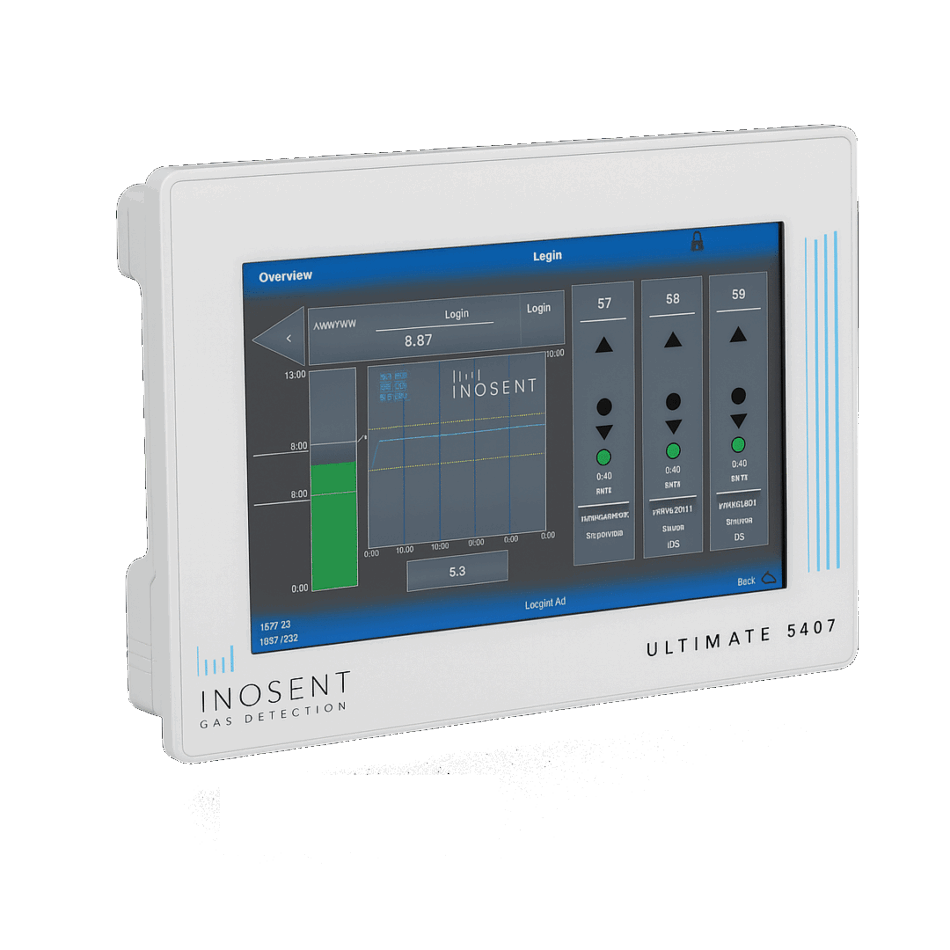
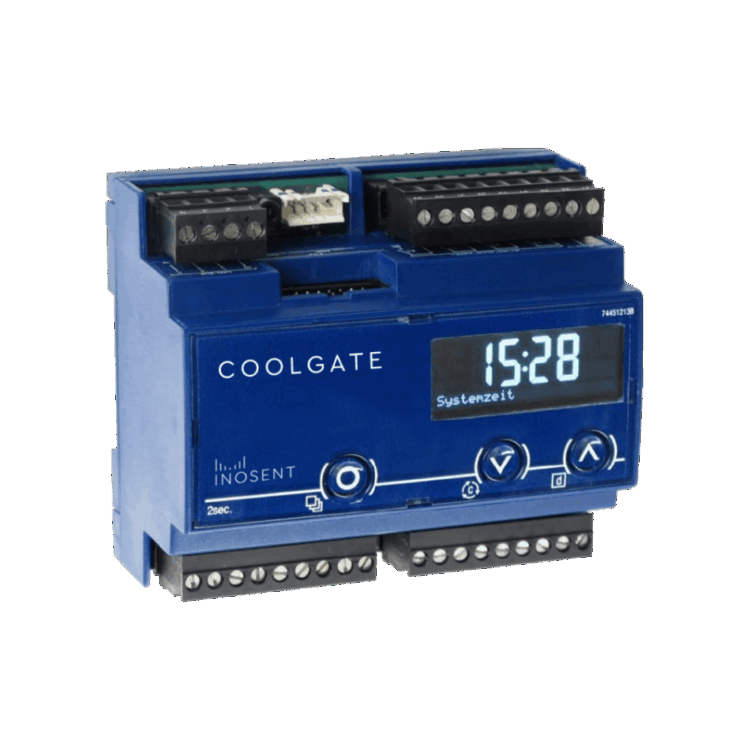
Carbon monoxide & nitrogen dioxide are among the most dangerous air pollutants that can damage our health and the environment. They are often invisible and have no noticeable odor, but these gases are a serious danger. Carbon monoxide is mainly produced by the incomplete combustion of fuels and can cause severe poisoning; while nitrogen dioxide is mainly emitted by traffic and Industry, irritating the respiratory tract and worsening air quality. Our gas detection technology enables early detection of potential carbon monoxide and nitrogen dioxide leaks, providing effective protection for employees, residents and everyone else in residential, work and industrial environments.
Information on Carbon monoxide & nitrogen dioxide Set points
Set points according to SWKI VA103-01 (guideline for ventilation systems for garages)
Carbon monoxide
50 ppm: ventilation level 1
70 ppm: ventilation level 2
200 ppm: Alarm
Nitrogen dioxide
0.8 ppm: Ventilation level 1
1.2 ppm: Ventilation level 2
2 ppm: Alarm
SUVA set points
Carbon monoxide
MAK value: 20 ppm (23 mg/m³)
KZG value: 100 ppm (117 mg/m3)
Nitrogen dioxide
MAK value: 1.5 ppm (3 mg/m³)
KZG value: 3 ppm (6 mg/m3)
Gas characteristics
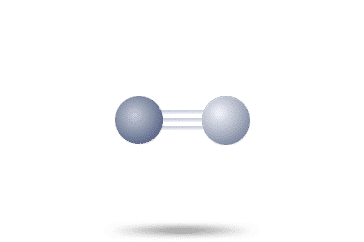
Carbon monoxide (CO)
Unnoticed: Carbon monoxide is a colorless gas that cannot be seen.
Odourless: It has no odour, which is why it cannot be detected without special detectors.
Tasteless: Since carbon monoxide has no taste, it is even harder to notice.
Density: It is slightly less dense than air, which is why it usually disperses in enclosed spaces.
Solubility: It is easily soluble in water, but less so than carbon dioxide (CO₂).
Toxicity: Extremely toxic, even small amounts are dangerous. It blocks the transportation of oxygen in the blood because it binds to haemoglobin.
Explosion hazard: Carbon monoxide can explode when mixed with air in certain concentrations, especially at high temperatures.
Combustion: Carbon monoxide is a product of incomplete combustion of carbonaceous materials.
Risk of suffocation: In closed rooms, a lack of oxygen can quickly lead to suffocation.
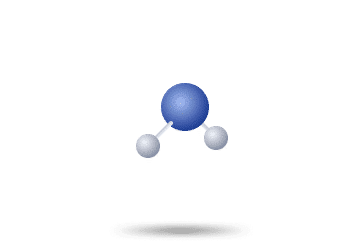
Nitrogen dioxide (NO2)
Colour: reddish brown tone
Smell: A characteristic, pungent and sharp scent
Taste: Since carbon monoxide has no taste, it is even more difficult to notice.
Density: Higher than air and carbon monoxide
Flammability: Although it is not flammable, it acts as a strong oxidising agent.
Toxicity: Extremely harmful to health. May irritate the respiratory tract and lead to bronchitis, asthma and other respiratory diseases. Long-term exposure may have serious health effects.
Occurrence: Mainly produced by the combustion of fossil fuels (e.g. in power stations, vehicles). Also contained in exhaust gases.
Use: Used in the chemical Industry for the production of nitric acid.
Critical concentrations: Values above 5 ppm may pose health risks, especially with prolonged exposure.
Do you require further information?
Questions about the detection of Carbon monoxide & nitrogen dioxide?
Vehicles in enclosed spaces: Engines that run in garages or enclosed spaces without ventilation can release dangerous levels of CO.
Blocked or obstructed flues and chimneys: If flue gases cannot be discharged properly, carbon monoxide can remain and accumulate in enclosed spaces.
Defective or poorly maintained heating appliances: Boilers, gas cookers, gas heaters and water heaters that are not properly maintained can release CO.
Cigarette smoke: Smoking indoors can also release small amounts of CO, which can be particularly dangerous for people with heart or lung conditions.
Watercraft and boats: In cabins or covered areas, combustion engines on boats can release CO.
Industrial plants: Certain industrial processes, especially those that rely on the combustion of fossil fuels, can emit carbon monoxide.
Nitrogen dioxide (NO2)
Respiratory tract irritation: Inhalation of NO₂ can irritate the respiratory tract, leading to coughing, breathing difficulties and inflammation.
Air pollution: In the lower atmosphere (troposphere), nitrogen dioxide promotes ozone formation, which leads to air pollution and the formation of smog.
Reactivity: Under certain circumstances, nitrogen dioxide can react with flammable materials and cause explosions.
emissions from vehicles and Industry: Nitrogen dioxide is mainly produced by the combustion of fossil fuels and is a major hazard in urban areas.
HIGH-RISK SCENARIOS
Carbon monoxide (CO)
Risk of poisoning: CO is a colorless and odorless gas that can be produced in poorly ventilated rooms (e.g. by defective heating systems or fireplaces).
Risk in enclosed spaces: Carbon monoxide is produced by improperly maintained gas-powered appliances in poorly ventilated rooms, which can lead to poisoning.
Exposure in urban areas: CO can accumulate in poorly ventilated or heavily trafficked areas, such as Underground car parks or traffic jams, and can be harmful to health.
Nitrogen dioxide (NO)
Long-term exposure: Persistently high NO₂ concentrations can cause chronic respiratory diseases, especially in children and the elderly.
Emissions from traffic and Industry: Vehicles and industrial plants are the main sources of NO₂, which leads to environmental pollution and health risks in urban areas.
Hazardous reactions: In high concentrations, NO₂ can react with combustible substances and cause explosions, especially in industrial environments.
Health risks and handling of Carbon monoxide & nitrogen dioxide
Concentration
Konzentration
Symptome/folgen
%gas-rep-concentration%
%gas-rep-consequences%
%gas-rep-concentration%
%gas-rep-consequences%
%gas-rep-concentration%
%gas-rep-consequences%
%gas-rep-concentration%
%gas-rep-consequences%
Concentration table only visible in landscape format.
First aid
Rapid first aid is essential in the event of poisoning by Carbon monoxide (CO) or nitrogen dioxide (NO₂), because both gases can cause serious damage to health or even death. The crucial first aid measures are:
1. Keep calm and leave the danger zone:
Immediately remove the person from the contaminated air (such as an area with exhaust fumes or smoke) to a well-ventilated room or outside.
2. Fresh air and breathing assistance:
Encourage the affected person to breathe deeply and slowly. If the person has difficulty breathing, move them into an upright position.
If possible, the affected person should get some fresh air until professional help arrives.
3. Make an emergency call:
If you notice any signs of NO₂ poisoning, such as shortness of breath, coughing, chest pain, dizziness or fainting, call the emergency services immediately on 112.
4. Monitoring of the person:
Watch out for any deterioration in the affected person’s condition, such as shortness of breath, chest pain or loss of consciousness, and inform the emergency services of all symptoms.
Important information:
Rapid response: In both cases of poisoning, time is of the essence. The sooner the person is removed from the contaminated environment and given oxygen, the better the chances.
Long-term treatment: In cases of severe poisoning, especially with CO, intensive hospital treatment is necessary to remove the gas from the blood.
In case of unintentional release
In the event of an accidental release of Carbon monoxide (CO) or Nitrogen dioxide (NO₂), immediate and targeted measures must be taken to protect people and minimize the effects of the gases. Here are the most important steps to take:
1. Identify the source of danger and stop it immediately:
If possible, stop the source of CO/NO2 emissions (e.g. switch off the defective heater or switch off a defective catalytic converter).
If you do not know where the CO/NO2 is coming from or it is too dangerous to locate the source, concentrate on leaving the affected area and minimising the danger.
2. Leave the room immediately:
Get yourself and others out of the affected area and into the fresh air. As CO is colourless and odourless, it can quickly become dangerous.
Avoid returning to the contaminated room before it has been thoroughly ventilated.
3. Ventilation:
If possible, open windows and doors to allow fresh air into the room and reduce the CO concentration. Use fans to increase air circulation (if safe to do so).
4. Make an emergency call:
If people show symptoms of CO/NO2 poisoning (e.g. headache, dizziness, coughing, nausea), call the emergency services immediately on 112.
Inform the emergency services that it is a CO/NO2 release so that they are prepared accordingly.
5. Monitor those affected:
If someone shows symptoms such as dizziness, nausea, coughing or breathing difficulties, take them immediately to the nearest hospital area where oxygen therapy can be administered.
6. Warning and cordoning off
Cordon off the danger zone to prevent others from accidentally entering the contaminated area until the danger has been eliminated.
Carbon monoxide & nitrogen dioxide are invisible threats that pollute our lungs and destroy the environment, while we are often unaware of their danger.